Portrait of Chris Harper

Chris Harper

Building clarity in complex environments.

I've spent my career leading teams through growth, uncertainty, organizational change, and evolving customer environments.

What shaped me most as a leader was learning how to create clarity when information was incomplete, build trust under pressure, and help teams execute consistently through complexity.

Why I built this

Resumes explain experience. They rarely explain how someone thinks through leadership, execution, and organizational change.

I built this page to share the systems, leadership lessons, and operating principles that shaped how I lead teams through complexity.

Featured

Who I Am As A Leader

A 90-second introduction.

Runtime: 1 minute 30 seconds
Reflections

Lessons Learned Leading Through Change

A few reflections that have shaped how I think about leadership, operational complexity, and organizational trust.

Preparation Meets the Moment

The best sellers and managers I've worked with build disciplined habits before they need them. Preparation, follow-through, attention to detail, organized pipelines. None of it is flashy, and none of it takes talent. But it creates the capacity to move when the moment shifts.

Sales rarely rewards a single type of execution. One deal turns on timing, and the team that mapped the buying committee early is the one with the right people in the room when the window opens. Another turns on speed, where only the seller who has been multi-threading can re-scope mid-cycle without losing the relationship. Another turns on patience, where the seller whose next steps were real buyer commitments rather than seller promises is the one who stays credible across months. A seller relying on motivation or heroic effort can win one of those. The disciplined seller can win all three.

This matters most during periods of uncertainty. When the environment is predictable, sloppiness has time to correct itself. When it isn't, discipline is the only thing that keeps the work coherent. The habits that feel ordinary during easy quarters become the foundation people rely on during difficult ones.

Coaching Is About Clarity

The biggest shift in my leadership style came when I stopped viewing coaching as giving answers and started viewing it as creating clarity.

I worked with a rep who was struggling to move a high-potential deal forward. My instinct was to diagnose the deal, prescribe next steps, and help fix the situation. But the more questions I asked, the clearer it became that the rep already understood the path forward. They were overwhelmed by noise, pressure, and competing priorities.

Instead of building the plan for them, we slowed down and separated signal from noise. Once the problem became clear, confidence followed. The deal moved again not because I gave them the perfect script, but because they regained clarity and confidence in their own thinking.

Great coaching is not about being the smartest person in the room. It is about helping people think clearly under pressure, build confidence through ownership, and execute decisively when uncertainty is high.

Trust Is A Long-Term Asset

The most meaningful outcomes in my career did not come from a perfect pitch or a single high-pressure negotiation. They came from trust built patiently over time.

One relationship started as a relatively small engagement and over several years grew into one of the largest opportunities in the book. The turning point was not a flashy presentation. It was consistent follow-through during difficult moments, honest conversations when expectations needed to be reset, and staying engaged even when there was no immediate upside.

There were quarters where the easier path would have been transactional selling. But trust compounds differently. When leadership changed on the customer side, the relationship endured because credibility had already been established across multiple stakeholders.

Trust is one of the few competitive advantages that becomes more valuable over time. People remember consistency long after they forget a pitch deck.

Leading Through Ambiguity

Teams don't need perfection during uncertainty. They need clarity, consistency, and direction.

Some of the most difficult environments I've led through had no real playbook. Selling through COVID, navigating shifting territories, adapting to changing customer profiles, asking teams to execute before quotas, books of business, or operating models were fully finalized. Waiting for perfect information wasn't an option. Leadership became less about having all the answers and more about creating structure with the information available.

People handle ambiguity better than most leaders think. What creates anxiety isn't uncertainty itself; it's silence, inconsistency, and lack of direction. Clear communication. Steady operating rhythms. Honest expectations. Consistent coaching. The role of a leader isn't to eliminate uncertainty. It's to help people move forward confidently while it still exists.

AI Should Create Leverage, Not Distance

The most useful frame I've found for AI in sales leadership is leverage. Does it let me show up better for the people in front of me, or does it pull me further away from them?

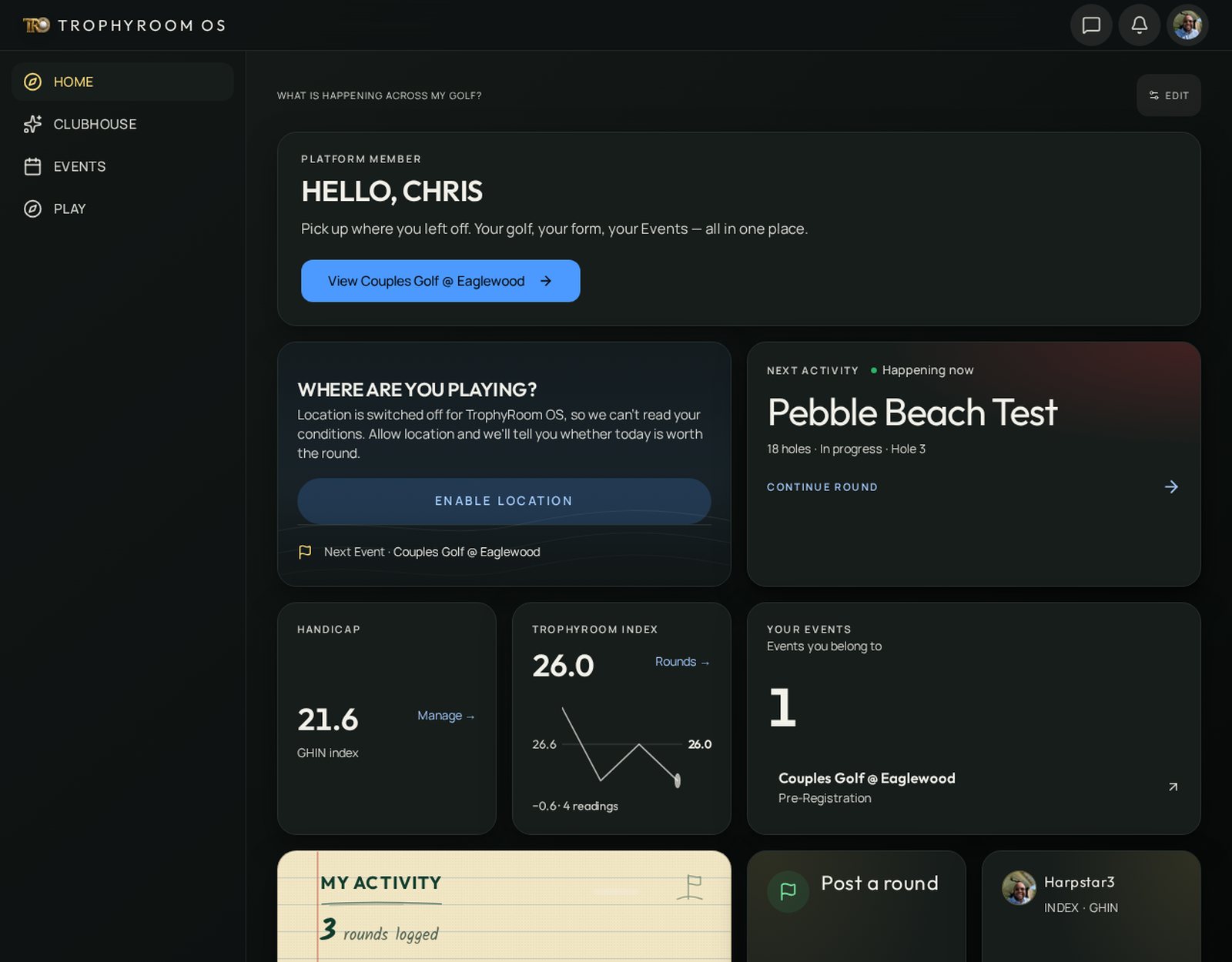
In Q4 last year, I lost two people on my team mid-quarter. I had to personally work their deals while still coaching the rest of the team through the close. There wasn't enough of me to go around the old way. I used AI to keep visibility on what was happening inside each rep's pipeline (where deals were stalling, where coaching was needed, what to prioritize in our 1:1s) so I could spend my limited hours on the conversations that actually mattered instead of trying to reconstruct context from scratch every time.

What I learned is that AI works best when it absorbs the operational drag (territory planning, forecast visibility, customer prep, coaching pattern recognition) so leaders can be more present, not less. The minute it starts replacing the conversation with the customer, or the conversation with the rep, you've used it wrong.

The teams that use AI best will not be the ones replacing judgment. They'll be the ones creating more space for it.

Experience

Experience snapshot

LinkedIn
Regional Sales Manager · 2022–Present

Leading SMB and mid-market teams through revenue execution, operational complexity, and AI-enabled coaching.

  • Managed $25M+ portfolio
  • Forecast accuracy within 2%
  • Largest SMB/MME deal: $1.49M
  • Built an AI-enabled coaching system designed to identify call patterns, reinforce coaching consistency, surface strengths and development areas faster, and improve coaching leverage across teams.
  • Built operational workflows and AI-supported systems that improved visibility, forecasting discipline, execution consistency, and team scalability across the business.
  • Led through organizational change, temporary coverage constraints, and enterprise-level deal strategy
Verizon Wireless
Frontline Sales → Retail Leadership · 2008–2022

Fourteen years of progressive leadership across frontline sales, multi-store operations, and regional retail organizations.

Director of Retail Sales, Chicago
2021–2022
  • Relocated to Chicago following a workforce reduction and transitioned into a larger leadership opportunity
  • Led large-scale retail sales operations and organizational execution within a new market
  • Navigated organizational change while continuing leadership development and operational scaling
District Manager
2016–2021
  • Oversaw multi-location retail operations across the Akron/Canton market
  • Led 100+ employees across multiple stores
  • Scaled operational execution, forecasting discipline, and leadership development systems
  • Drove SMB growth and regional performance improvement
General Manager
2011–2015
  • Led high-volume retail locations across Cuyahoga Falls, Massillon, Beachwood, and Independence, Ohio
  • Managed sales performance, hiring, operational execution, and team development
  • Built early leadership philosophy around accountability, consistency, and coaching
Assistant Manager
2009–2011
  • Transitioned into leadership within one year
  • Supported retail operations, coaching, staffing, and performance management across Northeast Ohio markets
Sales Representative
2008–2009
  • Entered workforce during the 2008 financial crisis in frontline retail sales
  • Built foundation in customer engagement, sales execution, and operational discipline
Values

What I Value In Organizations

The places where I've done my best work share three traits: room to adapt, real investment in people, and operational clarity about what's working and what isn't.

Adaptability Over Rigidity

In practice: a team can change a forecast process or kill a stale playbook in a quarter without a six-month committee. Without it: every improvement gets stuck behind a process that nobody owns.

Human-Centered Leadership

In practice: managers spend real time in 1:1s, development plans are written down, and underperformance is addressed with coaching before it's addressed with paperwork. Without it: people are treated as headcount, and turnover quietly becomes the strategy.

Transparency & Accountability

In practice: leaders share the real number, name the miss, and tell the team what's changing because of it. Without it: bad news travels sideways, and decisions get made on the version of reality that's safest to repeat.

An unscripted deeper conversation

A longer, unscripted conversation about how I think through leadership, coaching, execution, and modern sales organizations.

Contact

Let's talk.

I'm energized by organizations that take execution seriously, invest in their people, and are willing to evolve when the environment changes.

If you're looking for a hands-on leader who can develop teams, sharpen execution, and help navigate complexity with clarity, I'd welcome the conversation.